
Restaurant hardware
Self-service kiosks for restaurants: an order-and-pay checklist
For a restaurant, the right self-service kiosk is the one that fits the counter workflow and can pass a complete order to the kitchen. Start with one real order, then test payment failures and recovery.
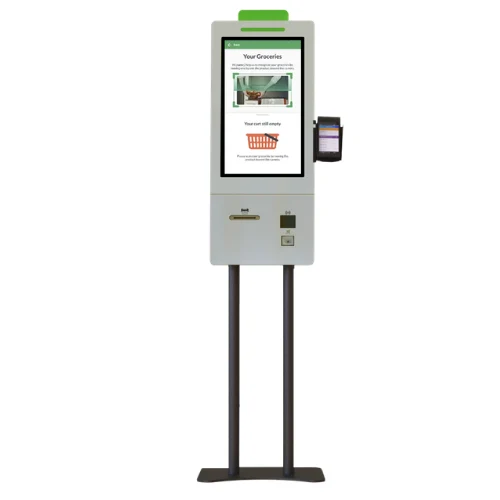
Decide what belongs at the kiosk
Write down the menu journey from category to modifiers, basket, payment and collection number. Include availability changes, menu variants and staff assistance. A digital menu board is useful for information and promotions. The order-and-pay kiosk needs a touch interface, order handling and an agreed payment workflow.
Make the EPOS and payment responsibilities explicit
Ask your EPOS provider which application, operating system and device interfaces are supported. Agree where menu records and stock availability are managed, how orders reach the kitchen, which terminal is approved by your payment provider and who handles refunds. Request a tested device list before fixing the enclosure cut-outs and brackets.
Choose a layout for the busiest part of the day
Measure the ordering area and trace how people enter, queue, order and collect. Compare freestanding, counter and wall positions against site access, glare, screen reach, power and cable routes. Test that someone can use the screen, card reader and receipt collection point without blocking the route to the counter.
Test the exceptions before rollout
Pilot a busy service period. Test unavailable menu items, a failed transaction, a lost connection and a printer interruption. Confirm what appears at the kitchen and who intervenes, how long recovery takes and how the till handles a cancelled order. Document what happens when the store switches to staffed ordering.
Send a hardware brief that can be quoted
Include the UK site postcode, planned unit count, mounting position, screen preference and the exact EPOS, payment and printer requirements. Identify who supplies each component and who signs off the installation. Ask for a model-specific drawing and written supply scope before placing an order.
What to include in your brief
- Menu, modifiers, collection flow and staffed alternative
- EPOS, terminal and receipt device model numbers
- Site plan, clearances, connection points and installation owner
- A pilot with realistic orders, payment failures and device recovery